
Schools
School Administration
The operational workspace for school administration, academics, learners, finance and operations.
Access platform → Join Scholanet →Scholanet is a connected digital education ecosystem bringing together schools, learners, teachers, parents, businesses, learning resources, opportunities and institutions through one trusted platform.
From school administration and teaching to learning, scholarships, careers, jobs, commerce and education intelligence, Scholanet connects the people, services and information that make education work.
Scholanet is being developed with a national-scale ambition to connect learners, education institutions, teachers, families, businesses and partners across Uganda.
Strategic target for learner access, continuity, learning and opportunity services.
Planning target spanning early years, schools, TVET/VTI, colleges, universities and other recognised institutions.
Planning target for digital teaching, content creation, tutoring and related education-economy opportunities.
Important: These are strategic planning targets, not completed achievements. Progress will be reported only from verified records.
This is Scholanet's initial Phase 1 planning requirement for the MVP and first 50 schools. It is a funding requirement, not money already raised or spent.
What this funding enables: production readiness, secure infrastructure, initial institutional onboarding, teacher and learner ecosystem preparation, evidence generation, safeguarding, inclusion and the one-year free pilot for the first 50 schools.
A learner's journey can involve a school, teachers, parents, learning resources, examinations, payments, scholarships, career guidance and employment opportunities — yet these services are often disconnected.
Schools can operate separate systems. Teachers can work across disconnected tools. Parents can struggle to access information. Learners can lose continuity. Opportunities can be difficult to discover. Decision-makers can lack timely, reliable and actionable intelligence.
Scholanet is designed to connect these pieces into one governed education ecosystem.
Scholanet's public portal is the gateway to a wider architecture of role-based stakeholder environments and shared services.
Scholanet protects access to the core app for students and parents while charging institutions and professional users for services that support long-term platform sustainability.
Students can use the core Scholanet app without a subscription fee for learning, approved resources, communication, opportunities and their learner journey.
Students do not pay to use the core app.Parents and guardians can use the core Scholanet app without a subscription fee to connect to authorised learner and school services, communication and participation tools.
Parents do not pay to use the core app.Every subscribing school receives the full school-management package. Charges are based on active student population and billed per term.
| Active students | School administration charge | Billing | Package |
|---|---|---|---|
| 50–250 | UGX 100,000 | Per term | Full package |
| 251–500 | UGX 200,000 | Per term | Full package |
| 501–1,000 | UGX 300,000 | Per term | Full package |
| 1,001–2,000 | UGX 450,000 | Per term | Full package |
| 2,001–5,000 | UGX 650,000 | Per term | Full package |
| 5,001+ | Custom | Per term | Institutional package |
Optional premium teaching, creator and education-economy services.
Business profiles, advertising and approved education-market opportunities.
The first 50 schools are planned to receive access free for one year during MVP deployment and validation.
For paid educational content purchased through Scholanet: 70% goes to the teacher/content creator, 25% supports Scholanet platform operations and sustainability, and 5% is allocated to the planned Scholanet Foundation social-impact fund for interventions supporting learners at risk of or affected by dropout.
Phase 1: free pilot and evidence generation. Phase 2: school and other revenue activation begins while core learner and parent access remains free.
Scholanet's public website explains the ecosystem without exposing confidential technical, commercial or institutional modules. Authorised corporate partners can access protected environments according to role, relationship and permission.
High-level ecosystem information and approved public resources.
Controlled access for verified institutional and corporate partners.
Confidential workflows, dashboards and partner materials remain authenticated.
Each environment serves a different stakeholder while the central architecture keeps identity, permissions, shared data and services governed.
The operational workspace for school administration, academics, learners, finance and operations.
Access platform → Join Scholanet →
A lifelong learning and opportunity environment from early education through professional learning.
Explore learner experience → Join Scholanet →
Teaching, professional identity, content, courses, tutoring and education-business opportunities.
Explore Teacher Studio → Join Scholanet →
Connecting parents and guardians to authorized school and learner services.
Explore Parent Portal → Join Scholanet →
Connecting businesses and suppliers to education commerce, services, procurement and opportunities.
Explore Business Portal → Join Scholanet →
Governed, aggregated education intelligence for authorized planning and decision-making.
Explore Government Analytics → Join Scholanet →Each module is designed for a specific role or pathway while remaining connected to the wider Scholanet ecosystem.

Access scholarships, internships, tenders, consultancies and other education-linked opportunities.
Explore module →
Access digital learning resources and content across supported education pathways.
Explore module →
Connect learning, skills and graduates to jobs, career pathways and professional opportunities.
Explore module →
Support secure, simple and transparent digital payments across the education ecosystem.
Explore module →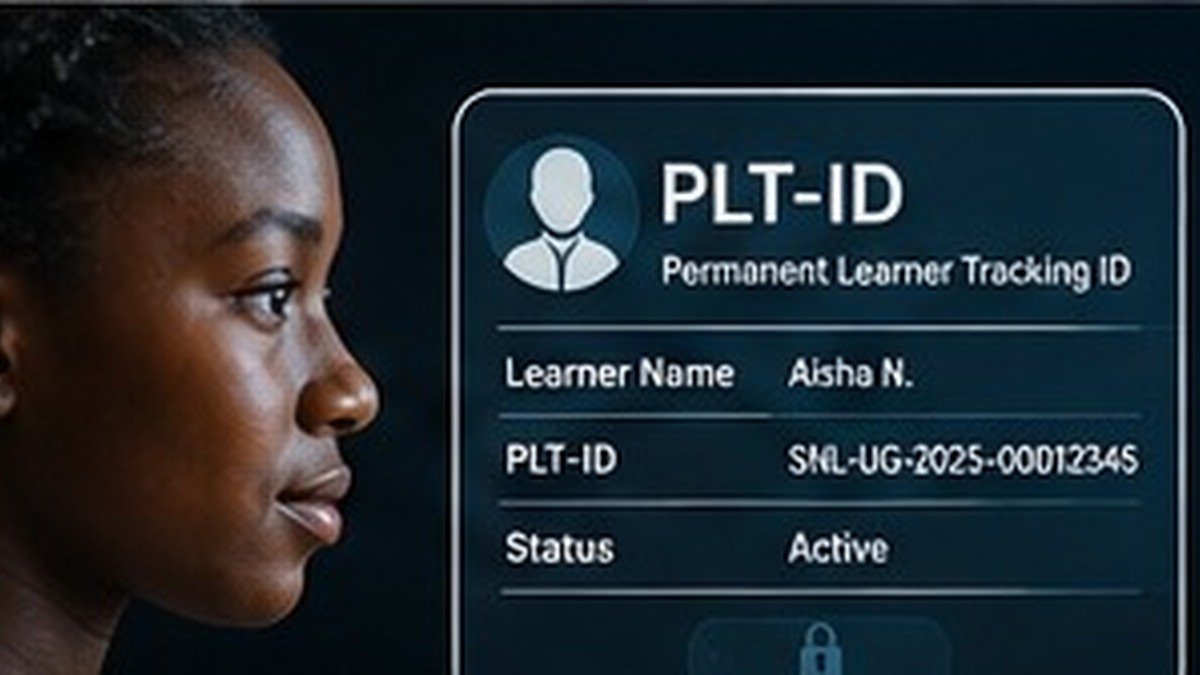
A governed learner identity concept designed to support continuity across an education journey.
Explore module →
The public gateway for discovering Scholanet services, education information and opportunities.
Explore module →
A professional pathway for authorized institutional and corporate partners to engage with Scholanet.
Explore module →
A social-impact pathway focused on inclusion, continuity and support for learners at risk of exclusion.
Explore module →
Responsible technology, privacy, safeguarding and security principles for the education ecosystem.
Explore module →
Connect approved products, services, suppliers and education commerce in one ecosystem.
Explore module →Access selected Scholanet concept notes, proposals, frameworks and policies in PDF format.
Organisation overview, leadership and institutional information.
Download PDF ↓High-level concept for Scholanet as an educational digital public infrastructure.
Download PDF ↓Programme rationale, architecture, implementation direction and impact.
Download PDF ↓Partnership, funding and investment case for Scholanet.
Download PDF ↓Outcomes, outputs, assumptions and measurement logic.
Download PDF ↓Strategic implementation priorities, sequencing and delivery approach.
Download PDF ↓Scholanet is designed to connect the major academic, administrative, financial, welfare and operational functions of education institutions into a single governed environment.
Admissions, learner records, classes, progression, identity and parent relationships.
Timetables, attendance, assignments, assessments, examinations and results.
Finance, fees, HR, payroll, procurement, inventory and assets.
Learner welfare, discipline, safeguarding and special-needs support.
Boarding, transport, feeding, library, facilities and maintenance.
Parent-teacher communication, notifications, documents and help desk services.
Reports, analytics, early-warning indicators, AI-assisted workflows and audit trails.
The public portal is designed to provide a searchable directory of education institutions across Uganda — kindergarten, primary, secondary, government, private, special-needs, TVET/vocational, colleges and universities.
The directory architecture is designed to support institution name, district, location, GPS/map location, education level, institution type, government/private classification, special-needs services, contact information, website and verification status, with search and filter tools. No school data is invented ahead of the verified national dataset being connected.
School transfers follow the same principle: a transfer request goes through the authorised school's own process and verification before the learner's school relationship is updated. Scholanet does not override a school's admission or transfer policies.
Every stakeholder starts the same way — a single Scholanet identity that then connects, with permission, to the schools, learners, services and opportunities relevant to their role.
Register a Scholanet identity appropriate to your role.
Complete the applicable identity, institution or professional verification.
Connect to schools, learners, parents, services, opportunities or organisations with permission.
Learn, teach, manage, employ, trade, fund, support or plan through the ecosystem.
Parents belong to Scholanet first. After registration and appropriate verification, a single parent account is designed to connect authorised children and manage education relationships across those children — even where they attend different schools. Private learner information is never exposed publicly.
A learner becomes part of the ecosystem through a governed learner identity associated with authorised education relationships and services — not through a public profile. Actual private IDs and personal information are never exposed publicly.
A Scholanet mobile app is planned to give learners, parents and teachers access to the ecosystem on the go, alongside the web platform.
Not yet published. This button will activate once the app is live and formally released.
Coming SoonNot yet published. This button will activate once the app is live and formally released.
Coming SoonIn the meantime, every module is available through the web platform — see Join Scholanet to get started.
Scholanet is designed around the learner's journey — not around a single school or education stage.
Scholanet is designed to support learners whose education has been interrupted, including girls who may temporarily leave school because of pregnancy, caregiving, financial hardship or other circumstances. Where appropriate and permitted, Scholanet may help connect learners with schools, learning programmes, scholarships and other support services — this is a support pathway, not a guarantee of automatic school placement.
Potential pathways: digital learning · remote lessons · tutoring · career guidance · education referrals · school re-entry pathways · scholarships · donor-supported programmes.
Scholanet is designed to help authorised stakeholders identify patterns associated with learner disengagement and support appropriate intervention, in line with privacy, consent and safeguarding requirements. Vulnerable learners are never exposed publicly.
The early-years experience is designed around age-appropriate learning, parent communication, learning progress and attendance information, teacher interaction, home-learning guidance and appropriate child safeguarding — never unrestricted child surveillance.
Digital education has to work in the conditions people actually experience. Scholanet's architecture prioritizes mobile access, connectivity-conscious delivery and inclusive experiences.
Learning, progress, resources, identity continuity and opportunities.
Teaching, professional identity, content, development and opportunities.
Visibility, communication, participation and access to authorized learner services.
Administration, academics, finance, operations and school-community coordination.
Education commerce, services, suppliers, procurement and marketplace participation.
Programme delivery, evidence, collaboration and governed education intelligence.
Teachers belong to Scholanet first and may connect to or subscribe to participating schools. Teacher Studio is designed to give teachers a path from professional identity to income opportunity.
Online lessons, video courses, digital learning materials, holiday learning packages, tutoring, coaching and freelance teaching.
Eligible teachers may earn according to applicable platform terms, sales and approved commercial arrangements. Scholanet does not guarantee a specific income.
A teacher's Scholanet identity is designed to travel with them across participating schools and education-business opportunities.
Scholanet is designed to give young people, including informal-sector entrepreneurs, structured opportunities to participate in the digital economy — without guaranteeing employment or income.
Includes: product listings · service listings · business profiles · school suppliers · parent-facing services · education-related services · jobs · freelance opportunities · entrepreneurship.
Categories: uniforms · stationery · furniture · ICT equipment · food supplies · transport · construction · maintenance · learning materials · professional services and other approved school supplies. Procurement contracts are only described as won once actually awarded.
The ecosystem connects learning journeys with the opportunities that help people progress.
Discover scholarships, search opportunities, understand eligibility, and where supported, submit applications and track application status.
Publish approved opportunities, define eligibility, reach relevant learners, and where supported, manage applications and monitor approved programme outcomes.
Covers local and international scholarships, NGO and foundation programmes, education sponsorship, girls' education programmes and vulnerable-learner support. Specific donors or foundations are named as partners only once formally confirmed.
Scholanet's Government Analytics architecture is designed as a governed, aggregated intelligence layer for government, NGOs and development partners — not an operational management system and not a backdoor into private records. NGOs and development partners do not automatically receive private student records; access is aggregated, authorised and privacy-preserving.
Explore Government & Policy →Enrollment · attendance · teachers · infrastructure
Geographic analysis · special needs · access · dropout early-warning
Scholarships · resources · programmes
Trends · scenarios · planning intelligence
Education technology must protect people as carefully as it connects them.
Public and private information are deliberately separated.
Child safety, protected communication and escalation are core requirements.
Access is governed by role, relationship, permission and resource.
AI assists; it does not replace teachers, counsellors or authorized decision-makers.
Important platform actions and governance decisions are logged.
Shared master data is managed centrally rather than duplicated across portals.
Secure APIs, encryption, monitoring, backups and fraud controls form the baseline.
The architecture is designed to connect services rather than create new silos.
Scholanet's impact model connects infrastructure investment to real-world education and opportunity outcomes.
We welcome strategic partnerships with governments, development organisations, foundations, NGOs, education institutions, technology partners, corporates and impact investors.
Explore programme areas, sustainability, measurement, governance and partnership pathways.
Explore Partnership Pathway →
Founder & Executive Chairman, Scholanet Technologies.
The founder story supports the institutional mission: building practical digital infrastructure for the realities of Uganda's education environment, with an ambition to scale across Africa.
Leadership →